Claude Code for Engineering Teams: Rollout & Guardrails
Giving every engineer an AI coding agent is easy. Getting a consistent, safe, measurable productivity gain out of it is not — and the gap between teams that get 10% and teams that get 40% is almost entirely process. This is the rollout we run for clients, and the training that goes with it.
- Published
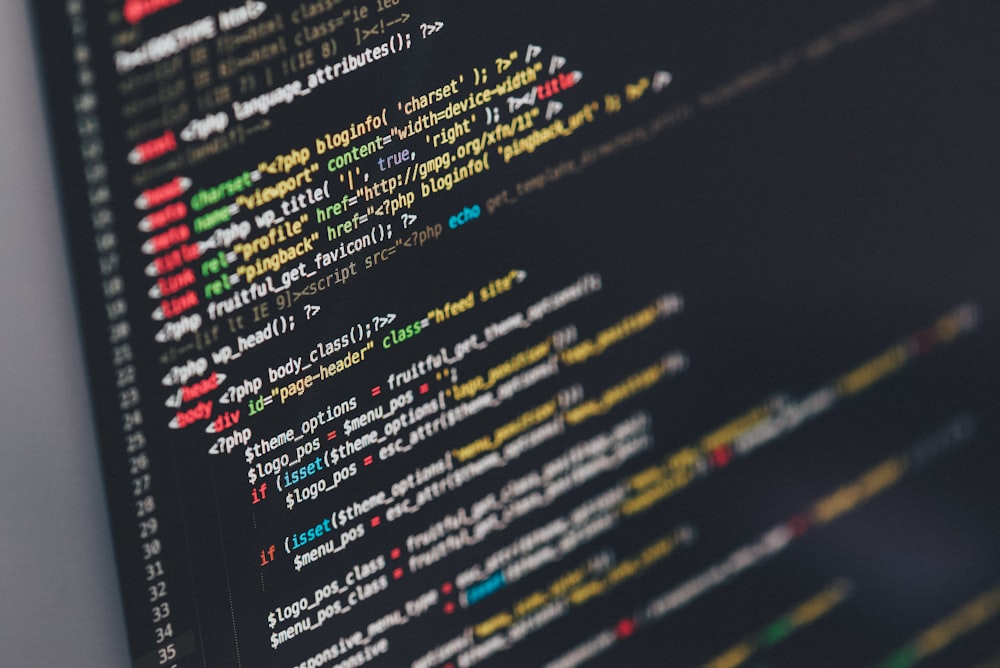
Week one: the repo tells the agent how to behave
- A project instructions file that states the stack, conventions, test commands and what the agent must never touch. Short, specific, versioned.
- Permission rules that allow the routine (running tests, reading files) and gate the risky (pushing, deleting, touching secrets).
- Hooks that run formatters and linters on every edit, and block commits that fail them.
- Shared skills for the workflows the team repeats: releasing, writing a migration, adding an endpoint.
Guardrails that actually hold
| Risk | Control |
|---|---|
| Secrets in prompts or logs | Secret scanning hook; environment-injected credentials only |
| Agent edits outside scope | Worktree isolation per task; protected paths in permissions |
| Unreviewed code merged | Agent-authored PRs labelled and require human review |
| Runaway cost | Per-seat budgets and effort defaults; weekly spend report |
| Inconsistent quality | Shared instructions file and skills, reviewed monthly |
Measure it or it did not happen
Track cycle time, PR throughput, review turnaround and escaped defects for four weeks before rollout and eight after. Teams that measure find the workflows where the agent helps most and the ones where it slows review down — and adjust. Teams that do not measure argue about anecdotes.
The training we run
Two days, on your codebase. Day one: mental model, instructions and permissions, test-driven prompting, when to plan versus when to just ask. Day two: hooks, skills, subagents, headless runs in CI and the Agent SDK for teams who want to build their own agents. Engineers leave with a configured repo and a set of habits, not a slide deck.
Frequently asked questions
Will the agent leak our code?
Code sent to the model is governed by the vendor’s data terms; enterprise plans offer no-training guarantees and data controls. We configure the deployment to your policy and audit what leaves the machine.
How long until the team is productive?
Individual engineers are useful in a day. Consistent team-wide gains take four to six weeks of shared conventions, measured and adjusted.
Can you do this remotely?
Yes. Most of our rollouts are remote, in your working hours, with a shared channel for the six weeks after.